Why Choose an Experienced Bali Construction Company?
11 August 2026
Bali Villa Construction: Mistakes to Avoid & Expert Tips
11 August 2026
Construction Villa Bali: 7 Proven Stages for the Ultimate Villa Build
Bali continuously captivates global attention not only as a world-class holiday destination but also as a highly lucrative property investment hub.
Indeed, strong demand for holiday rentals, long-term leases, and exclusive private residences drives massive growth across the island’s real estate sector.
However, financial success relies heavily upon meticulous project execution right from the initial phase. Therefore, understanding the complete process of construction villa Bali provides a vital foundation for prospective land owners and property investors.
Building a villa on the Island of the Gods seamlessly merges local legal compliance, tropical climate adaptation, and precise architectural planning.
Consequently, this comprehensive guide explores every single construction stage, highlights critical mistakes to avoid, and offers practical tips for choosing a trustworthy building partner in Bali.
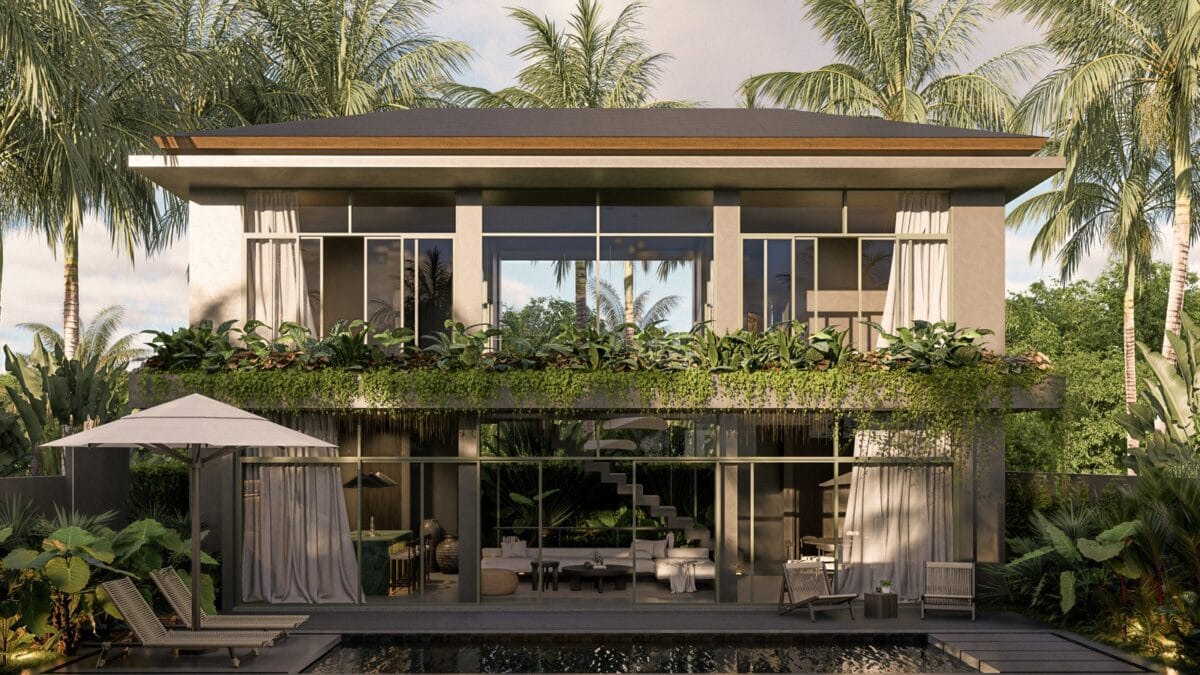
Construction Villa Bali | balinesiaconstruction.com
Why Does Villa Investment in Bali Continue to Flourish?
Bali’s global appeal creates exceptional potential for high rental yields, excellent Return on Investment (ROI), and sustained capital growth.
Furthermore, the rising influx of digital nomads, international holidaymakers, and domestic investors fuels steady demand for premium private accommodation.
However, a prime location alone cannot guarantee high financial returns. In fact, many investors suffer significant losses due to substandard workmanship, unexpected budget overruns, or legal permitting disputes during construction.
Ultimately, the long-term success of your property depends upon the quality of your construction villa Bali project.
A structurally sound building equipped with robust drainage, superior sanitation, and timeless tropical aesthetics attracts high-paying guests effortlessly while preserving its premium resale value.
Stage 1: Defining the Purpose and Concept of Your Villa
Before clearing your site, you must clearly define the primary purpose of your new property. In practice, your overall building concept directly influences layout planning, structural engineering, and your master budget allocation.
Investors typically choose among four primary villa concepts in Bali:
- Private Residence: Prioritises family privacy, bespoke comfort, and personal lifestyle preferences.
- Vacation Rental: Focuses on captivating visual aesthetics, efficient guest circulation, private swimming pool integration, and low maintenance requirements.
- Long-Term Investment Property: Emphasises operational functionality, durable material choices, and minimal ongoing upkeep costs.
- Boutique Villa Estate: Delivers a unique identity through artistic touches, curated luxury, and exclusive hospitality amenities.
Setting clear objectives early helps an experienced construction villa Bali builder draft efficient floor plans, select ideal amenities, and accurately estimate future operational expenses.
Stage 2: Selecting the Right Location
Location selection serves as the most critical foundation for successful construction villa Bali projects. Each region across Bali offers distinct geographical features, zoning regulations, and target tenant demographics.
Therefore, you must evaluate several vital factors before purchasing or securing leasehold land:
- Land Zoning: Verify that local authorities permit residential or commercial tourism construction on your chosen plot (such as yellow or red zones rather than protected green belts).
- Road Access: Ensure the access road provides sufficient width for daily traffic and heavy construction machinery during the build phase.
- Basic Utilities: Check the immediate availability of the PLN electrical grid, clean water supply, high-speed internet, and municipal drainage channels.
- Surrounding Environment: Match your chosen location with your target market. For instance, select Canggu for vibrant lifestyle appeal, Ubud for peaceful nature retreats, or Uluwatu for dramatic ocean views.
Stage 3: Villa Design and Architectural Planning
Designing a villa in Bali requires harmonising tropical beauty with uncompromising structural integrity.
By partnering with a specialised villa construction team, you secure architectural plans that look stunning on paper while remaining highly practical to construct.
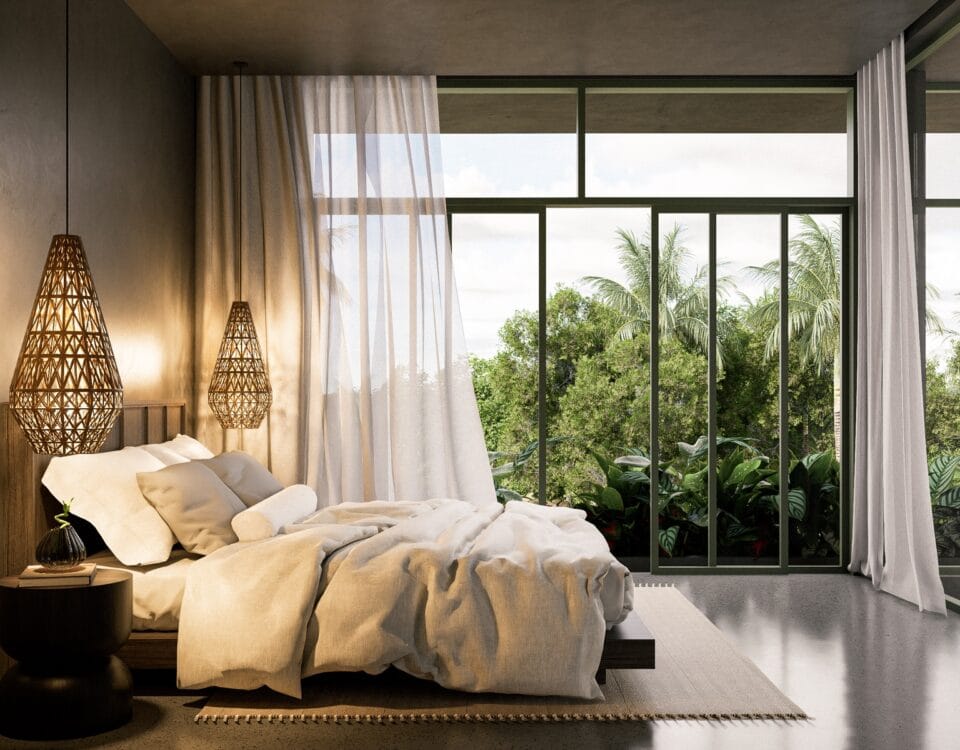
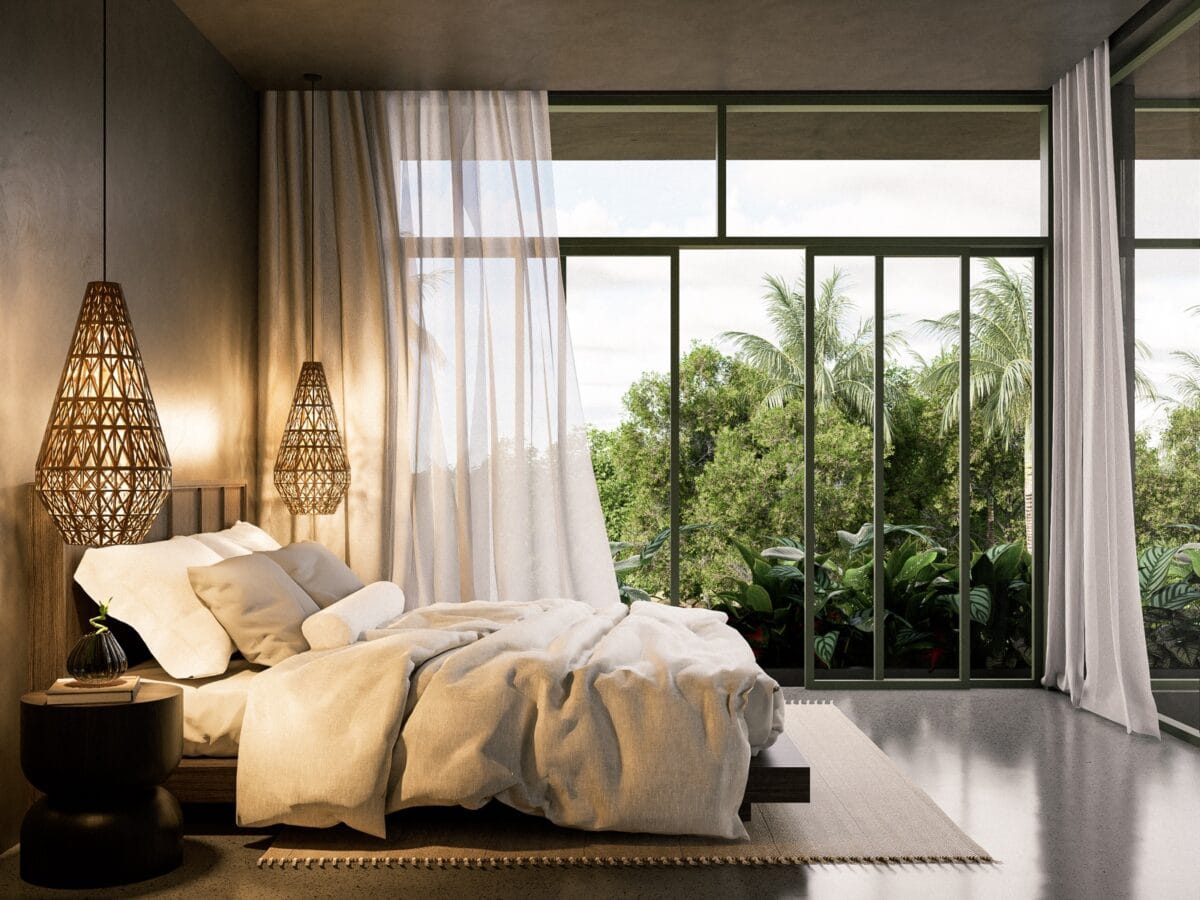
An exceptional design maximises natural sunlight, encourages natural cross-ventilation, and orientates living spaces towards scenic surroundings.
Moreover, seasoned designers seamlessly integrate modern luxuries with traditional Balinese elements, including natural stone, exposed timber framing, and airy open-plan living spaces.
Stage 4: Navigating Legal Permits and Documentation
Before starting physical site works, you must satisfy all local legal regulations. Strict legal compliance prevents unexpected site shutdowns by local authorities later in the process.
Key permits and mandatory legal documents include:
- Kesesuaian Kegiatan Pemanfaatan Ruang (KKPR) for spatial conformity.
- Persetujuan Bangunan Gedung (PBG), which officially replaced the older IMB building permit system.
- Mandatory environmental compliance documents (SPPL or UKL-UPL) matching your project scale.
- Operational tourism licences if you intend to rent the villa commercially.
Fortunately, an established Bali construction company guides clients through every administrative step to ensure full regulatory compliance.
Stage 5: Commencing the Construction Villa Bali Process
Once local authorities approve your design and issue the necessary building permits, physical construction begins. Site supervisors manage every phase under strict quality standards:
- Land Clearing and Site Preparation: Surveyors mark site boundaries precisely, clear vegetation, and level the ground for excavation.
- Foundations and Substructure: Engineers build reinforced concrete foundations customised specifically for your soil profile (such as rocky cliffside, coastal sand, or soft clay).
- Main Structural Frame: Builders construct reinforced concrete columns, structural beams, and multi-storey floor slabs.
- Masonry and Roofing: Tradesmen lay brickwork, apply external wall render, install roof trusses, and fit protective roof coverings.
- MEP Installation (Mechanical, Electrical, and Plumbing): Technicians run electrical cabling, fit clean water supply lines, install wastewater pipes, and build certified septic tank systems.
- Interior and Exterior Finishes: Craftsmen lay tile or marble flooring, apply weatherproof paint, install custom cabinetry, fit sanitaryware, and construct swimming pools.
- Landscaping and Outdoor Features: Teams plant tropical gardens, install outdoor lighting fixtures, and lay pedestrian pathways.
Stage 6: Selecting High-Quality Materials for the Tropical Climate
Bali features a tropical climate defined by high humidity, intense seasonal rainfall, and salty coastal breezes near the sea. Consequently, choosing the right building materials directly determines your property’s long-term durability.
An experienced provider of construction villa Bali services recommends specialised tropical materials, including:
- Kiln-dried, termite-treated hardwoods such as Ironwood (Ulin), Bengkirai, or premium Teak.
- Advanced elastomeric waterproofing membranes for flat concrete roofs and wet internal zones.
- Corrosion-resistant steel framing and high-grade stainless steel hardware.
- Weather-resistant natural local stones, including Sukabumi green stone and lava stone for outdoor decks and swimming pools.
Stage 7: Rigorous Quality Control and Project Handover
Before handing over the finished key, project managers conduct exhaustive Quality Control (QC) inspections and resolve all punch list items.
Comprehensive testing procedures include:
- Waterproofing Leak Tests: Inspectors flood roof decks, bathroom floors, and swimming pools to verify total water tightness.
- Electrical Audits: Electricians test circuit load distributions, safety switches, and power outlets thoroughly.
- Plumbing System Checks: Engineers verify smooth water pressure, proper filtration, and clear drainage flow without leaks.
- Finishing Precision Checks: Supervisors inspect paint uniformity, tile alignment, door alignment, and custom joinery precision.
After successfully completing all quality checks, the team hands over your keys alongside formal maintenance warranty documentation.
Common Pitfalls When Building a Villa in Bali
To protect your capital investment, avoid these frequent construction villa Bali mistakes:
- Rushed Planning Phases: Commencing physical construction without detailed technical drawings or a complete Bill of Quantities (RAB).
- Choosing Contractors Based Solely on Cheap Bids: Extremely low initial quotes often lead to material substitutions, poor structural integrity, or surprise cost additions later.
- Ignoring Soil Conditions and Drainage: Skipping professional soil testing risks serious structural cracking or foundation movement over time.
- Making Mid-Construction Design Changes: Altering designs mid-way inflates costs significantly and causes frustrating project delays.
- Omitting Contingency Allocations: Failing to set aside a 10–15% emergency reserve fund leaves you vulnerable to unforeseen site costs.
Why Partner with an Experienced Bali Villa Contractor?
Developing property in Bali demands seamless coordination among structural engineers, local artisans, material suppliers, and village authorities.
Partnering with a professional Bali villa contractor delivers decisive commercial advantages:
- Structured Project Management: Clear construction schedules supported by regular, transparent progress reports.
- Realistic Cost Projections: Transparent RAB documentation that prevents budget overruns.
- Uncompromising Quality Standards: Strict supervision during every phase of your property development.
- Local Cultural & Regulatory Knowledge: Deep understanding of Balinese customs, regional building codes, and community protocols.
Realise Your Dream Property with Balinesia Construction
Building a villa in Bali represents a major financial investment that demands detailed planning and expert execution. If you seek a trusted partner to deliver a high-value residence or commercial rental estate, Balinesia Construction stands ready to guide you through every stage.
As a premier specialist in construction villa Bali projects, Balinesia Construction offers fully integrated solutions that keep your project on schedule, within budget, and built to international standards.
Why Clients Choose Balinesia Construction:
- Integrated Design & Build Services: One dedicated team manages your architectural concepts, structural engineering, and physical construction smoothly.
- Experienced Professional Team: Certified architects, structural engineers, and master craftsmen bring deep local building expertise.
- Budget & Timeline Transparency: Detailed Bill of Quantities (RAB) with zero hidden fees and clear completion targets.
- High-Grade Tropical Materials: Direct sourcing of proven, weather-resistant materials for lasting durability.
- Strict Quality Control Supervision: Thorough site inspections ensure high precision across all finishes.
- End-to-End Client Support: Dedicated guidance from initial consultation and permitting through to final key delivery.
Entrust your vision to the industry leaders. Contact Balinesia Construction today to discuss your project plans and receive a customised proposal for your construction villa Bali build!
Frequently Asked Questions (FAQ)
1. How long does the construction villa Bali process typically take?
Construction timelines vary depending on scale and design complexity. Generally, constructing a 2–3 bedroom villa takes between 8 and 12 months. For larger luxury developments with bespoke features, the timeline usually spans 12 to 18 months.
2. What are the key stages when building a villa in Bali?
The main stages include concept definition, location analysis, architectural design, PBG permit acquisition, site preparation, main structural work, MEP installation, interior/exterior finishes, Quality Control testing, and final key handover.
3. How much does it cost to build a villa in Bali?
Total building costs depend on floor area, land topography, material selections, and architectural complexity. A reliable contractor provides a transparent Bill of Quantities (RAB) tailored specifically to your target budget and quality standards.
4. Why is choosing integrated design and build services more advantageous?
Choosing an integrated design and build model unites architects and site engineers under single-point management. Consequently, this eliminates communication breakdowns between design and construction, optimises budget accuracy, and accelerates overall project completion.
5. How can I choose a trustworthy villa builder in Bali?
Verify that your contractor holds valid business registration licences, offers verifiable past project portfolios, provides client testimonials, maintains complete budget transparency in RAB breakdowns, and provides post-construction structural warranties.