Construction Villa Bali: Complete Guide to Building a Villa
11 August 2026
Bali Home Construction: 7 Essential Tips to Build Your Dream Home
12 August 2026

Mistakes to Avoid When Building a Villa in Bali
Building a villa in Bali is one of the most promising property investment opportunities, whether you intend to develop a commercial short-term or long-term rental property or create a private luxury retreat. The rapid growth of Bali’s property and tourism industries has driven significant villa development projects across popular areas such as Canggu, Seminyak, Ubud, and Uluwatu.
However, despite the attractive potential for Return on Investment (ROI), the process of building a villa in Bali involves various technical challenges and local complexities. Without a thorough understanding of local conditions, many investors and landowners make costly mistakes that can result in budget overruns, project delays, and structural defects.
This article provides an in-depth overview of the most common mistakes in Bali villa construction and effective strategies to avoid them from the earliest stages of your project.
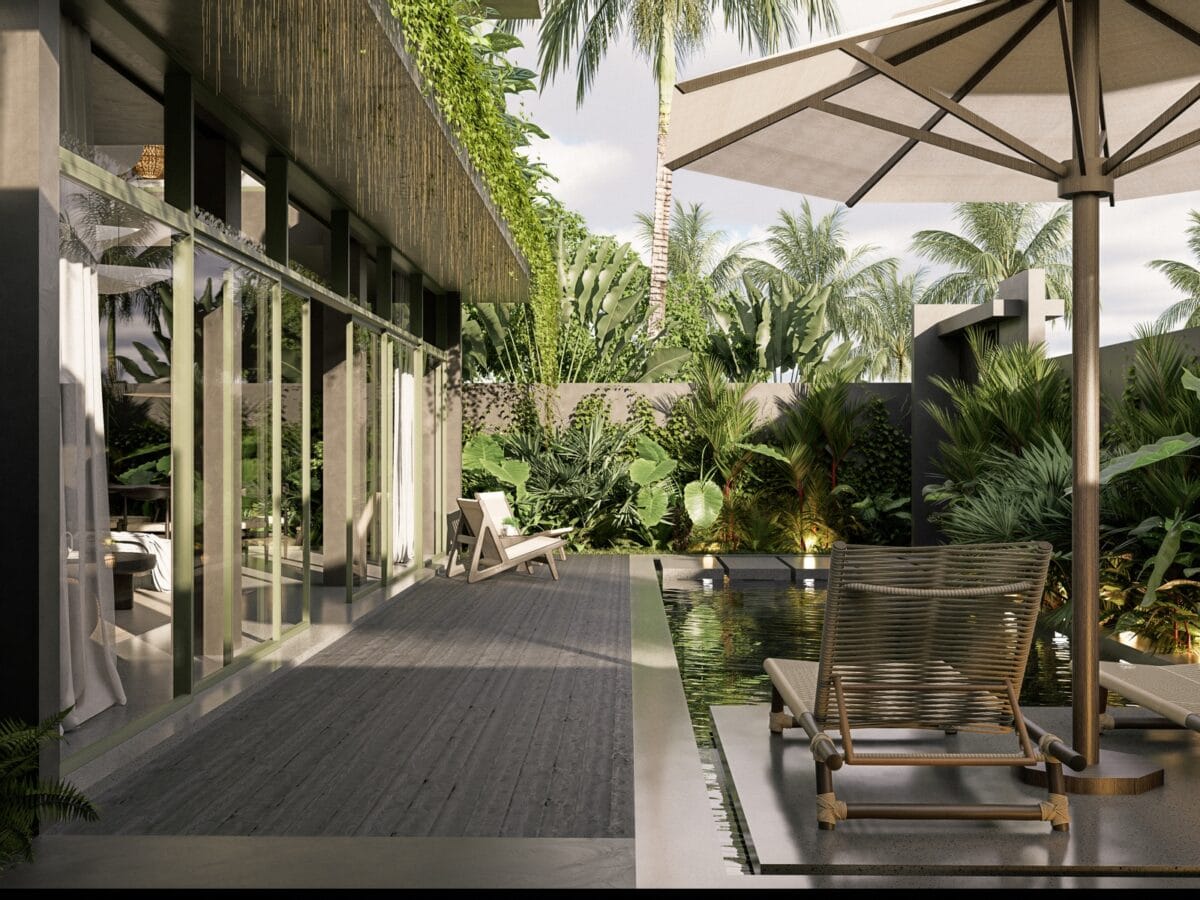
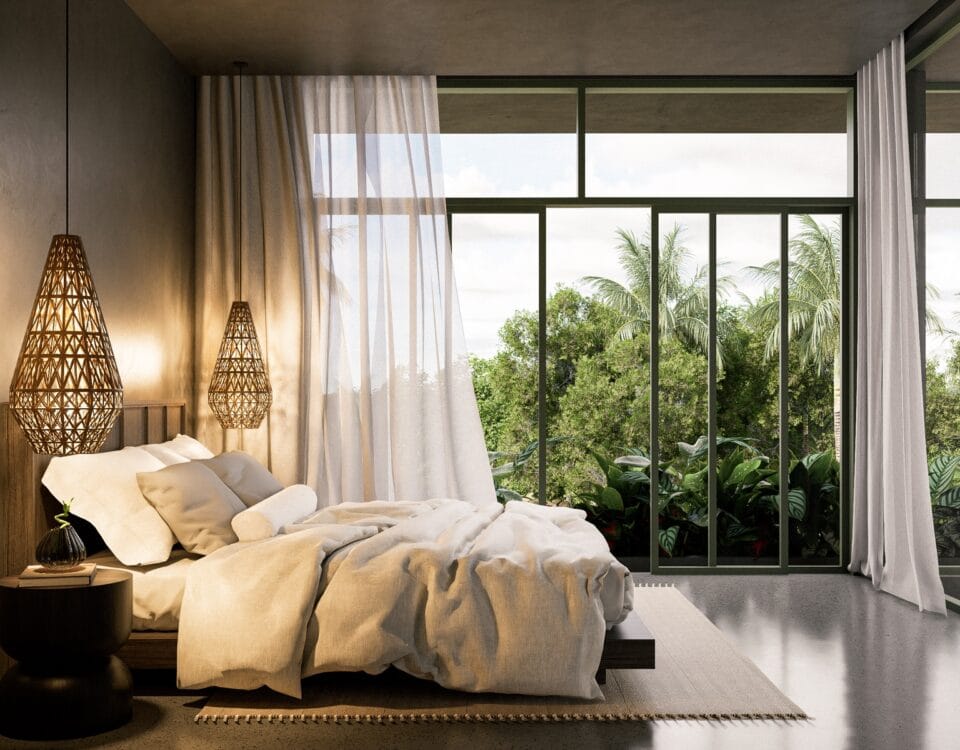
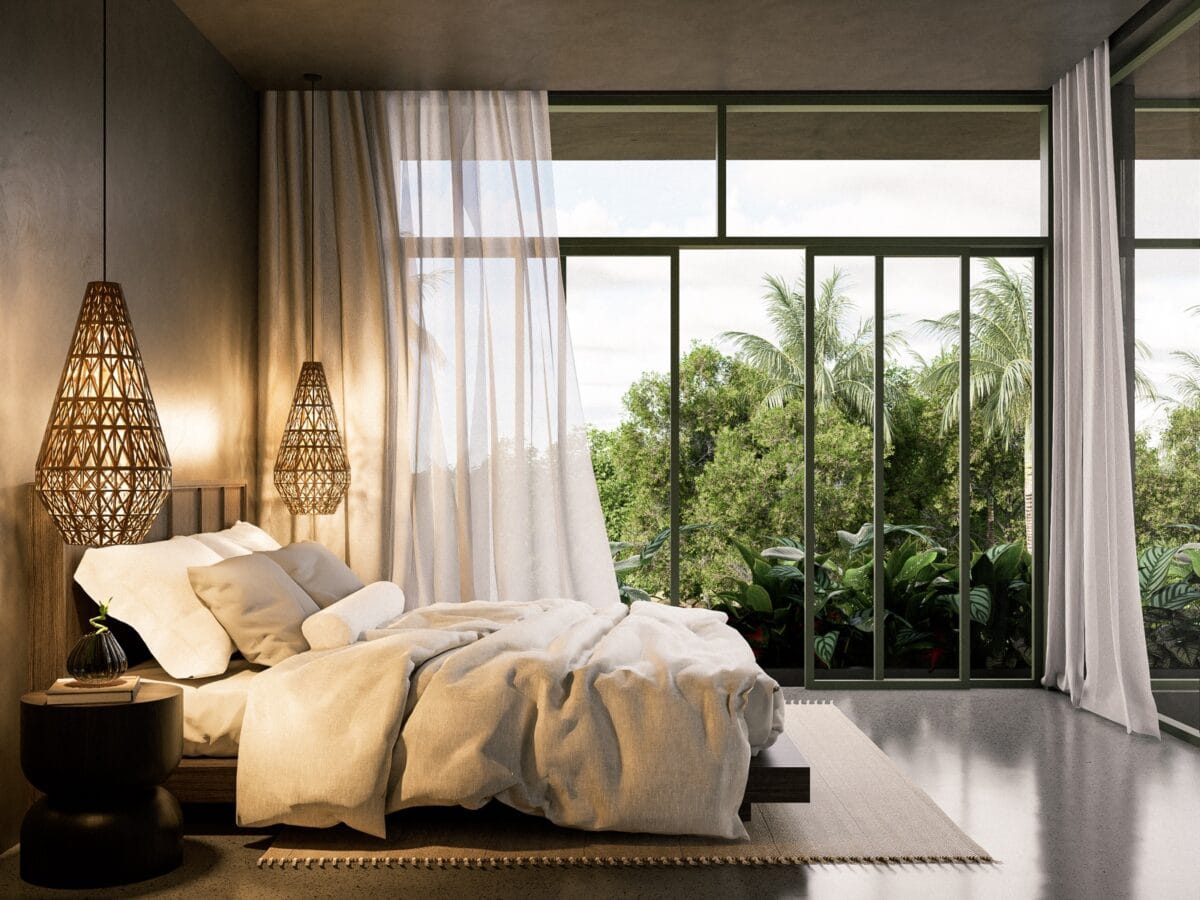
Bali villa construction | balinesiaconstruction.com
Why Planning Is the Foundation of Bali Villa Construction
Many property owners assume that the most important stage of villa construction begins when the first foundation is laid. In reality, the success of a construction project in Bali depends heavily on the quality and completeness of the pre-construction planning phase.
Decisions made during the planning stage directly determine:
- Budget Accuracy: Ensuring all project costs are calculated accurately without overlooking important components.
- Timeline Efficiency: Establishing realistic and measurable construction schedules.
- Building Quality & Durability: Selecting technical specifications and materials that are suitable for the site’s environmental conditions.
- Commercial Value & Investment Appeal: Ensuring that the layout and architectural concept support operational efficiency, guest comfort, and long-term property value.
A well-planned project gives your Bali villa builder a clear technical and financial framework before construction begins, significantly reducing the possibility of costly changes later.
Mistake 1: Choosing a Contractor Based Solely on the Lowest Price
Being attracted to the lowest quotation from a villa contractor in Bali is one of the most common mistakes investors make. In the construction industry, a quotation that is significantly below the average market price often indicates compromises in other areas of the project.
Risks of Choosing a Contractor Based Only on Price
- Lower-Grade Materials: Contractors may substitute specified materials with cheaper alternatives to maintain a narrow profit margin.
- Substandard Workmanship: Inexperienced workers may be employed without adequate technical supervision or quality control.
- Hidden Costs: Additional charges may appear during construction because certain work items were allegedly excluded from the initial quotation.
- Project Delays: Contractors with insufficient cash flow may struggle to maintain labour, material supplies, and construction activities.
Solution: Always evaluate potential contractors based on their legal credentials, reputation, completed project portfolio, technical expertise, and transparency in their construction methods and pricing.
A professional Bali villa contractor should be able to explain the Bill of Quantities (RAB), construction methodology, material specifications, payment schedule, and project timeline clearly before you sign an agreement.
Mistake 2: Failing to Prepare a Realistic Budget
Creating an overly restrictive budget without accounting for unforeseen variables is a common cause of problems in Bali villa construction. Fluctuating material prices, unexpected soil conditions, site adjustments, and changes required by technical teams can all create additional expenses.
Essential Budget Components
A comprehensive villa construction budget should include:
- Site Preparation: Land clearing, excavation, earthworks, and site preparation.
- Permits and Legal Costs: Building permits, spatial planning documentation, and other required legal processes.
- Physical Construction: Structural, architectural, Mechanical, Electrical, and Plumbing (MEP) works.
- Interior and Exterior Works: Interior finishes, landscaping, swimming pools, outdoor areas, and supporting facilities.
- Contingency Fund: Approximately 10%–15% of the total project value should be allocated to accommodate unforeseen construction conditions.
A detailed RAB helps property owners understand exactly where their money is being allocated while allowing the villa construction services Bali provider to manage the project more effectively.
Mistake 3: Ignoring Material Quality for Bali’s Tropical Climate
Bali has a demanding tropical coastal climate characterised by intense UV exposure, heavy seasonal rainfall, high humidity, and corrosive salt air in coastal areas. Using standard materials without considering their resistance to tropical weather can cause premature deterioration, including water leaks, timber decay, hairline wall cracks, and corrosion of structural components.
An experienced provider of villa construction services Bali understands that material selection must be adapted to the property’s location and environmental conditions.
Recommended materials and systems may include:
- High-quality waterproofing systems.
- Properly treated hardwood such as Ulin or engineered Teak.
- Weather-resistant exterior coatings and paints.
- Corrosion-resistant plumbing and electrical components.
- Stainless steel hardware for coastal environments.
- Durable natural stone suitable for outdoor and wet areas.
Choosing the right materials during the design stage can significantly reduce future maintenance costs and improve the property’s long-term durability.
Mistake 4: Starting Construction Without a Finalised Design
Making significant design changes while construction is already underway is one of the leading causes of budget overruns and project delays. Every change made on site can trigger a domino effect involving demolition of completed work, material waste, revised drawings, and additional coordination between technical teams.
The Benefits of Design and Build Bali Services
To minimise these risks, many investors choose design and build Bali services. This integrated approach brings architectural and construction teams together under a single management structure.
As a result, the architectural concept can be evaluated against construction methods, technical requirements, and estimated costs from the beginning.
Key advantages include:
- Better coordination between architects and construction teams.
- More accurate cost estimates.
- Fewer design-related construction changes.
- Faster communication and decision-making.
- Better control over the final construction result.
For investors who want to build a villa in Bali, an integrated design and build approach can simplify the entire development process.
Mistake 5: Ignoring Local Permits and Regulations
Villa construction in Bali is subject to Indonesian government regulations as well as local customs and community requirements. Ignoring legal requirements before commencing physical construction can result in project suspension, administrative penalties, or other serious legal complications.
Important Regulatory Requirements
Depending on the location and project type, property owners may need to address:
- Persetujuan Bangunan Gedung (PBG): The current building approval system that replaced the former IMB system.
- Kesesuaian Kegiatan Pemanfaatan Ruang (KKPR): Spatial planning and land-use conformity.
- Koefisien Dasar Bangunan (KDB): Building coverage requirements.
- Koefisien Daerah Hijau (KDH): Green area requirements.
- Building Height Restrictions: Applicable height limitations based on local regulations and zoning.
- Banjar and Traditional Village Coordination: Local community and customary requirements where applicable.
An experienced Bali construction company can help property owners understand and navigate these requirements before construction begins.
Mistake 6: Insufficient Supervision and Quality Control
A construction project without strict technical supervision can result in work that deviates from approved drawings, shop drawings, and technical specifications.
Even seemingly minor mistakes, such as incorrect underground plumbing installation or inadequate structural reinforcement, can develop into significant problems after the building has been completed.
A professional Bali construction company should implement a structured Quality Control (QC) system throughout the most critical stages of construction.
Essential Quality Control Inspections
These may include:
- Foundation and structural reinforcement inspections before concrete pouring.
- Concrete compression testing.
- Plumbing pressure and leakage testing (hydrotesting).
- Waterproofing inspections for swimming pools, bathrooms, roofs, and other wet areas.
- Electrical system inspections and safety testing.
- Final finishing inspections to ensure workmanship meets the agreed specifications.
Proper quality control is essential for protecting both the structural integrity and long-term investment value of your villa.
Mistake 7: Failing to Choose an Experienced Bali Villa Builder
Building a standard private residence is significantly different from developing a commercial villa or luxury villa construction Bali project.
A villa requires specialised expertise in integrating indoor and outdoor spaces, swimming pool filtration systems, landscape lighting, drainage, hospitality facilities, and other features designed for guest comfort and operational efficiency.
Working with an experienced Bali villa builder ensures that your project is handled by professionals who understand space efficiency, structural durability, tropical architectural aesthetics, and the practical requirements of villa properties.
An experienced builder can also anticipate common construction challenges before they become expensive problems.
Practical Guide to Avoiding Villa Construction Mistakes
The following comparison summarises common mistakes and recommended approaches when planning Bali villa construction:
| Project Aspect | Common Mistake | Recommended Approach |
|---|---|---|
| Contractor Selection | Choosing the cheapest quotation without reviewing the contractor’s portfolio or legal credentials. | Select a villa contractor Bali based on proven experience, legal credentials, completed projects, and transparent RAB documentation. |
| Budget Management | Setting an overly tight budget without a contingency fund. | Allocate a contingency fund of approximately 10%–15% of the estimated project cost. |
| Material Selection | Using inexpensive materials that are unsuitable for Bali’s tropical climate. | Select materials specifically designed to withstand moisture, UV exposure, heavy rainfall, and coastal corrosion. |
| Design Planning | Changing the architectural or interior design during physical construction. | Finalise the architectural and interior design through an integrated design and build Bali approach. |
| Permits & Regulations | Starting construction before the required approvals are obtained. | Complete PBG, spatial planning requirements, and relevant local coordination before physical construction begins. |
| Technical Supervision | Leaving the entire construction process without regular professional inspections. | Work with a professional construction company that applies structured Quality Control procedures throughout the project. |
Why Working with a Professional Construction Company Is Safer
Entrusting your villa project to a professional construction company provides greater peace of mind and confidence in the final result. A reputable company acts as a strategic partner, protecting your investment from the initial planning stage through to final handover.
Key Benefits of Working with a Professional Construction Company
- Project Risk Mitigation: Reducing the risk of structural problems, unexpected costs, construction delays, and legal complications.
- Structured Construction Timeline: Using project management tools such as Gantt Charts and S-Curves to establish and monitor realistic completion targets.
- Transparent Communication: Providing regular technical reports, construction photographs, and video progress updates.
- Maintenance and Warranty Support: Providing appropriate retention periods and workmanship or structural warranties after project handover.
For investors planning villa development Bali, these systems provide greater control over project quality, costs, and timelines.
Build Your Dream Villa with Balinesia Construction
Building a villa in Bali is a significant investment that requires careful planning, technical expertise, and precise execution. By avoiding common construction mistakes and partnering with the right professionals, investors can create a property that is beautiful, durable, functional, and competitive in Bali’s property market.
Balinesia Construction provides professional Bali villa construction services designed to support clients from the initial planning stage through to final key handover. Our team is committed to delivering high-quality construction supported by transparent and efficient project management.
Why Choose Balinesia Construction?
- Experienced Specialist Team: Supported by architects, engineers, and construction specialists with extensive knowledge of villa development in Bali.
- Integrated Design & Build Services: A single solution covering concept development, technical design, permitting, and physical construction.
- Transparent RAB & Timeline: Detailed cost estimates without hidden fees and measurable construction schedules.
- High-Quality Materials: Carefully selected construction materials suited to Bali’s tropical climate.
- Strict Quality Control: Regular inspections throughout every construction phase to maintain workmanship quality and structural safety.
- Responsive Communication & Regular Reports: Consistent project updates so clients can stay informed about construction progress.
Do not put your villa investment at unnecessary risk because of poor planning or inexperienced contractors. Contact the Balinesia Construction team to discuss your project requirements and receive a customised proposal for your villa development in Bali.
Visit the official website: https://www.balinesiaconstruction.com/
Frequently Asked Questions (FAQ)
1. What are the most common mistakes when building a villa in Bali?
The most common mistakes include choosing a contractor based solely on the lowest quotation, failing to allocate a contingency budget, ignoring local regulations, and making major design changes after physical construction has already started.
2. How can I choose a trustworthy Bali villa builder?
Choose a builder with a legally established business, a verifiable portfolio of completed villa projects, transparent RAB documentation, qualified technical personnel, positive client references, and written warranties for structural and workmanship quality.
3. Why is detailed budgeting important for Bali villa construction?
Detailed budgeting helps prevent construction from stopping due to insufficient funds. A comprehensive RAB also allows property owners to monitor expenses, compare material specifications, and maintain an appropriate contingency reserve.
4. What are the benefits of using design and build Bali services?
Design and build Bali services integrate architectural planning and construction execution under one team. This simplifies communication, reduces the risk of design misunderstandings, improves cost control, and can help streamline the overall construction timeline.
5. How can I ensure my villa project is completed on time?
Make sure your contractor provides a structured construction schedule, includes clear completion milestones in the contract, and implements regular progress monitoring throughout every construction stage.
6. Why does material quality affect villa investment value?
High-quality construction materials generally provide better durability and can reduce long-term maintenance requirements. Premium finishes can also contribute to the property’s overall appearance, guest experience, rental appeal, and long-term market value.