
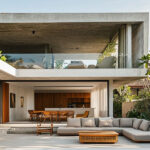
Bali Home Builder : 8 Essential Reasons to Choose Carefully
26 September 2026
Thinking About Construction in Bali? Start With These 8 Essentials
26 September 2026
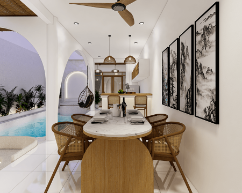
Villa Construction Bali: What Makes a Villa Truly Built for Bali?
Before a single wall goes up, most property owners find themselves wrestling with the same set of questions. What is this villa actually for? How does the land behave through the seasons? What architectural direction makes sense here, and can it actually be built within a realistic budget? These are the real starting points of Villa Construction Bali, long before anyone talks about finishes or furniture.
A villa that feels right in Bali is rarely the result of a single great idea. It comes from a series of decisions made in the right order, starting with purpose, moving through site and design, and ending with the right construction partner to carry it through. This article walks through those decisions one at a time, so you can approach your own Villa Construction Bali project with a clearer sense of what actually matters.
1. Start With the Purpose of Your Villa
Every Villa Construction Bali project should begin with a simple but often overlooked question: what is this villa actually going to be used for?
A private residence for a family living in Bali full time has very different requirements from a holiday home used a few weeks a year, or a villa built with rental guests in mind. Purpose shapes almost everything that follows, including how many bedrooms are needed, how public or private the layout should feel, and how much outdoor living space makes sense.
A family home tends to prioritize privacy, everyday comfort, and spaces that work well for daily routines. A villa built partly for guests or rental use often needs clearer separation between private and shared areas, along with layouts that are easier to maintain over time. Neither approach is better than the other. They simply lead to different design decisions.
Clarifying purpose early also helps later conversations with an architect or villa construction company Bali stay focused, since every layout option can be tested against a clear set of real needs instead of general preferences.
2. Understand the Site Before Designing
No two plots of land in Bali behave the same way, and this is where many Villa Construction Bali projects either gain or lose their footing.
Before any architectural concept is finalized, it helps to understand how the site itself works. Access to the land, its slope and terrain, how it sits relative to neighboring buildings, where the views open up, and how sunlight moves across the plot through the day all influence what kind of villa will actually sit comfortably there.
Drainage patterns, existing vegetation, and the general orientation of the land also affect how a villa should be positioned. A design that looks appealing on paper can run into real friction if it ignores these conditions, whether that means awkward sun exposure in the wrong rooms or outdoor areas that never quite feel usable.
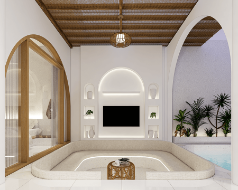
Villa Construction Bali: What Makes a Villa Truly Built for Bali? | balinesiaconstruction.com
Good site understanding is less about producing technical reports and more about asking the right questions early. How does the land want to be built on, rather than how do we force a plan onto it.
3. Choose an Architectural Concept That Fits Bali
Once the site is understood, architectural concept becomes the next major decision in any Villa Construction Bali project, and it is worth approaching with an open mind.
There is a common assumption that every villa in Bali needs visible traditional Balinese elements to feel authentic. In reality, Bali villa construction covers a much wider range of architectural directions. Modern tropical architecture, contemporary minimalist layouts, and more classic tropical styles can all work well, as long as the concept responds to the site, the client’s needs, and the way the villa will actually be used.
What matters more than style is coherence. Spatial planning, functionality, and aesthetics need to work together, and the architectural concept should feel like a natural extension of the site rather than something imposed on top of it. A luxury villa construction Bali project and a modest family home can both be well designed, simply through different priorities and scale.
4. Design for Tropical Living
Bali’s climate places real demands on how a villa is designed, and this goes beyond how the building looks. It is one of the defining challenges of Villa Construction Bali.
Natural ventilation, shading, and the placement of covered outdoor spaces all affect how comfortable a villa feels day to day. Roof design plays a role too, both in how it handles rain and how it shapes the character of interior spaces below it. Orientation matters as well, since it determines how much direct sun different rooms receive throughout the day.
Indoor-outdoor connection is often at the heart of tropical design in Bali. Open living areas, covered terraces, and a clear relationship between built spaces and the surrounding landscape tend to make a villa feel more grounded in its environment. This is less about following a formula and more about designing spaces that people actually want to spend time in, whether that is a shaded terrace for the afternoon or an open living area that stays comfortable without relying entirely on air conditioning.
Tropical design, at its core, is about how a villa is used and experienced, not just how it photographs.
5. Choose Materials With the Whole Villa in Mind
Material selection is one of those decisions that seems straightforward until it starts affecting everything else in a Villa Construction Bali project.
The materials chosen for a villa influence its appearance, durability, and how much upkeep it will need over time. They also affect construction practicality, since some materials are easier to source and work with locally than others. Texture and atmosphere matter too, particularly in how indoor and outdoor spaces feel connected to one another.
There is no single material that works best for every villa. A material well suited to a breezy open pavilion might not be the right choice for an enclosed bedroom, and a finish that looks striking in a showroom may behave differently once exposed to Bali’s humidity and rainfall over several years.
The more useful approach is thinking about materials as part of the whole villa rather than choosing them room by room. This means considering how a material relates to the design intent, the site conditions, how the villa will be used, and how much maintenance the owner is realistically prepared to take on.
6. Make Sure the Design Can Actually Be Built
A design can look complete and convincing on paper while still being difficult, or expensive, to translate into an actual building. This is a common risk in Villa Construction Bali when planning and construction stay disconnected.
This is where construction feasibility comes in. Architectural drawings need to be checked against structural requirements, material availability, and realistic construction methods before ground is broken. Details that seem minor on a drawing, such as an unusual roof angle or a large unsupported span, can turn into significant technical challenges once construction begins.
Coordination between the architect, designer, and construction team is what usually prevents these issues from becoming costly surprises later. When everyone involved understands both the design intent and the practical realities of building it, fewer changes are needed mid-project, and the finished villa is more likely to match the original vision.
This is also one of the clearer advantages of a design and build approach, where design and construction planning happen under closer coordination from the start rather than being handled as two separate, disconnected stages.
7. Consider Budget Before Construction Begins
Budget conversations work best when they happen early, not once drawings are already finalized. This holds true for any Villa Construction Bali project, regardless of scale.
Decisions about architectural complexity, material specifications, finishes, and structural requirements all carry cost implications. A villa with an intricate roof structure, extensive custom joinery, or high-end imported finishes will naturally require a different budget approach than a simpler, more restrained design.
One practical habit worth adopting early is separating core needs from elements that can be added or upgraded later. A villa’s structure, layout, and essential systems generally need to be right from the start, while certain finishes or landscaping details can sometimes be phased in over time without compromising the overall design.
Bringing budget into the conversation from the beginning, rather than after a design is finalized, tends to result in fewer difficult compromises later in the project.
8. Choose a Villa Builder Who Understands the Process
Selecting the right partner is often treated as a final step, but it deserves the same early attention as design and budget in any Villa Construction Bali project.
A capable villa builder Bali brings more to a project than construction labor. Clear communication, transparent project coordination, and a genuine understanding of architectural intent all shape how smoothly a project moves from concept to completion. A good villa contractor Bali should be comfortable discussing practical construction issues openly, rather than only presenting finished results.
Completed project photos are useful, but they only tell part of the story. It is equally worth understanding how a villa construction company Bali handles quality control, material coordination, and communication throughout a project, particularly when design changes or site challenges come up, as they often do in real construction.
For those looking for villa construction services Bali that cover both design and build under one process, checking how design and construction teams coordinate internally is often more revealing than reviewing a portfolio alone.
Bringing It All Together
None of these eight factors work in isolation. Purpose shapes the site strategy, the site shapes the architectural concept, the concept informs material choices, and all of it needs to remain buildable within a realistic budget. This is really what separates thoughtful Villa Construction Bali projects from ones that run into friction midway through.
Whether you are exploring custom villa construction Bali for a private residence or planning a project with future rental use in mind, the process of building a villa in Bali tends to go more smoothly when these decisions are made in order, with enough information at each stage to make the next one easier.
A Bali villa builder who understands this sequence, rather than jumping straight to drawings or pricing, is usually better positioned to help a Villa Construction Bali project stay coherent from the first sketch to the final handover.
Planning a Villa Project in Bali?
If you are still working through the early decisions around purpose, site, or design direction, it can help to talk them through with a team that handles both design and construction. Balinesia Construction works with property owners on villa concepts, site conditions, material considerations, and construction planning as part of a coordinated Villa Construction Bali process. If you would like to discuss your own project, reaching out for an initial consultation is a reasonable next step before moving into detailed design.
Frequently Asked Questions
What should I consider before starting villa construction in Bali?
Start by clarifying the villa’s purpose, understanding the site conditions, and having an early sense of budget priorities. These three factors shape most of the design and construction decisions that follow.
How do I choose the right villa builder in Bali?
Look at how a builder communicates, coordinates between design and construction, and handles practical challenges during a project, not just the appearance of completed work.
Why is site analysis important before designing a villa?
The site determines how a villa should be oriented, ventilated, and positioned. Designing without understanding these conditions often leads to spaces that feel less comfortable or functional than intended.
How can villa design respond to Bali’s tropical environment?
Through natural ventilation, shading, covered outdoor spaces, and a strong connection between indoor and outdoor living areas, rather than relying on air conditioning or enclosed layouts alone.
Why should design and construction be coordinated from the beginning?
Early coordination helps identify structural or material challenges before construction starts, reducing the number of changes needed once building is underway.


