

Villa Construction Bali: What Makes a Villa Truly Built for Bali?
26 September 2026The Ultimate Guide to Bali Home Construction: Building Your Dream Tropical Villa
1 October 2026

Thinking About Construction in Bali? Start With These 8 Essentials
Before a single brick is laid, most successful projects begin with a series of decisions that have little to do with construction itself. Anyone planning construction in Bali usually starts by asking what the property is actually for, who will use it, how the land behaves, and what kind of design will hold up in a tropical climate over the years. These questions matter more than they seem, because the answers shape everything that follows, from the architectural concept to the materials chosen and the way the budget is structured.
It is easy to get drawn into the visual side of a project first, the villa renders, the pool placement, the interior mood boards. But construction in Bali tends to go smoother when the practical groundwork is laid before the design work begins. This article walks through eight areas worth thinking through early, whether the project is a private home, a rental villa, or a commercial build.
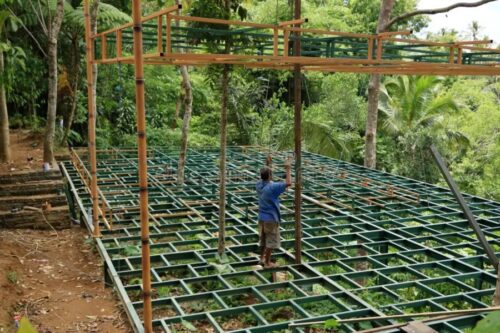
Construction in Bali with modern tropical design | balinesiaconstruction.com
1. Start With a Clear Property Plan
Every construction project benefits from a defined purpose. A private family home, a villa built for rental income, and a small commercial space all call for different layouts, different privacy levels, and different long term maintenance expectations. Skipping this step often leads to a design that looks appealing on paper but does not actually suit how the space will be used.
Property needs tend to influence a handful of practical decisions:
- Size and number of rooms based on who will live or stay there
- Balance between private areas and shared or guest spaces
- Outdoor space for gardens, pools, or parking
- How much upkeep the owner is realistically prepared to manage
A holiday villa with several guest suites, for instance, has different circulation and privacy requirements than a single family home. Getting clear on the property’s purpose before moving into design conversations saves time later and keeps the rest of the process focused.
2. Understand the Site Before Designing
No two plots in Bali behave the same way. Slope, access roads, surrounding buildings, and orientation to the sun all affect how a design should be approached. A concept that works beautifully on a flat, open block might need significant rethinking on a sloped site with limited road access.
Site conditions worth reviewing early include:
- How the land slopes and where water naturally drains
- Access for vehicles and construction equipment
- Orientation relative to sunlight and prevailing breeze
- What is visible from the site, and what is visible of the site from outside
Understanding these factors before the design phase helps avoid costly revisions once drawings are further along. It also gives the architect a realistic starting point rather than a generic layout that has to be forced onto the land.
3. Choose an Architectural Concept That Fits the Property
Once the purpose and the site are understood, the architectural concept can start to take shape around them rather than the other way around. A concept that ignores the land’s character, or the owner’s actual needs, tends to create friction later in the process, whether that means awkward room adjacencies or a facade that clashes with its surroundings.
A well matched concept usually reflects the function of each space, the flow between rooms, and the relationship between the built structure and the land it sits on. This is also where the first real conversations about residential construction Bali projects, or commercial ones, start to diverge, since living spaces and business spaces call for very different spatial priorities.
4. Design for Bali’s Tropical Environment
Bali’s climate is warm, humid, and shaped by distinct wet and dry seasons, so a design that ignores this reality often ends up relying too heavily on air conditioning and artificial lighting. Many homes and villas across the island lean into open layouts, covered outdoor living areas, and generous ventilation to work with the climate rather than against it.
Some of the recurring themes in tropical design include cross ventilation to keep air moving through interior spaces, roof overhangs and shaded terraces that protect against sun and rain, and a strong connection between indoor rooms and outdoor areas. These choices affect comfort day to day far more than most people expect, and they are worth discussing with the architect from the earliest design sketches.
5. Think About Materials From the Start
Material choices shape how a building looks, how long it lasts, and how much maintenance it will need over time. In a humid, coastal climate, materials that perform well in a temperate country do not always hold up the same way in Bali. This is one of the reasons material selection is best discussed early, alongside the architectural concept, rather than left until construction is already underway.
Beyond appearance, materials influence the practical side of Bali building construction as well, including how easily they can be sourced locally, how they age in outdoor conditions, and how they interact with the humidity and rainfall typical of the region. A material that looks striking in a photo from another country may behave very differently once exposed to a tropical environment year round.
6. Keep the Design Realistic for Construction
An architectural drawing can look flawless and still be difficult, or expensive, to actually build. This gap between design intent and construction reality is one of the more common sources of frustration in property projects. Structural feasibility, material availability, and the practical skill required for certain details all need to be weighed against how ambitious a design is.
This is where close coordination between the design team and the construction team really pays off. A building contractor Bali owners work with should be able to flag potential issues early, whether that is a cantilevered roof that needs extra structural support or a finish that is difficult to source locally. Catching these details on paper is far less disruptive than discovering them mid build.
7. Consider Budget and Construction Planning Early
Budget conversations are often postponed until after the design is finalized, but this usually backfires. Every decision about materials, finishes, and the overall complexity of a design carries cost implications, and it is much easier to adjust a concept on paper than to redesign a partially built structure.
Bringing budget into the conversation from the start does not mean the design has to be scaled back dramatically. It simply means design decisions are made with a realistic understanding of what they involve, so there are fewer surprises once construction contractor Bali teams begin pricing out the actual build. A project planned with budget in mind from day one tends to move more smoothly from design into execution. For additional construction cost guidance, you can refer to Directorate General of Construction Development.
8. Choose a Builder Who Understands the Whole Process
The final piece is choosing who will actually carry the project from drawings to a finished building. A capable builder does more than follow a set of plans. They communicate clearly, understand the reasoning behind design decisions, and can speak candidly about what is practical to build and what might need adjusting.
Look for a team that treats design and construction as connected, not separate stages handled by disconnected parties. Balinesia Construction, for example, positions itself around this kind of integrated approach, working across architecture, design, and general construction so that ideas developed on paper are shaped with buildability in mind from the outset. Whether the project is a private residence or falls under commercial construction Bali work, having one team oversee both design and construction can reduce miscommunication considerably.
The right builder for villa construction in Bali projects is also transparent about progress, responsive to questions, and willing to explain trade offs rather than simply agreeing to every request. That kind of openness matters just as much as technical skill once the project is actually underway.
Bringing It All Together
None of these eight areas exist in isolation. The purpose of the property shapes the site requirements, the site shapes the architectural concept, and the concept, in turn, influences material choices, construction feasibility, and budget. A design and build Bali approach, where architecture and construction are coordinated under one process, tends to keep this chain intact rather than letting each stage drift apart from the others.
Working with an established Bali construction company that understands this connection, from early planning through to handover, generally leads to fewer surprises and a result that actually matches what was originally intended.
Frequently Asked Questions
What should I consider before starting construction in Bali?
Start with the property’s purpose, the characteristics of the site, and a realistic sense of budget. These three factors influence almost every decision that follows, including architectural concept and material selection.
How do I choose the right construction company in Bali?
Look for a team that communicates clearly, coordinates design and construction under one process, and is willing to discuss practical considerations rather than only agreeing to every design request.
Why should design and construction be coordinated from the beginning?
When design and construction are handled separately, there is more room for miscommunication and costly revisions. Coordinating both from the start helps ensure the design is buildable and the construction stays true to the original concept.
How can a home design respond to Bali’s tropical climate?
Design elements like cross ventilation, shaded outdoor areas, and a strong connection between indoor and outdoor spaces help a home stay comfortable without relying heavily on air conditioning.
When should I start thinking about my construction budget?
Budget is best discussed alongside the earliest design conversations. Decisions about materials, finishes, and complexity all carry cost implications, so factoring in budget early helps avoid major revisions later.


